Menopause: How Hormones Impact your Sleep — and your Skin
What happens at night shows (a lot) in the morning
Bad sleep isn’t just about waking up with dark circles. It creates a ripple effect that impacts how you feel, how you function… and how your skin looks.
If you’re in perimenopause or menopause, you’ve likely noticed the shift: sleep becomes lighter, more fragmented, less restorative. That’s because hormones, sleep, and skin are deeply connected.
Understanding this connection is the first step to restoring balance (and your glow).
How do hormones affect sleep during menopause?
During menopause, estrogen and progesterone levels decline. These hormones play a key role in keeping the skin hydrated, firm, and supporting adequate collagen production. More importantly, they don’t just regulate your cycle—they also influence the brain areas that control sleep and wakefulness.
As they drop, your ability to reach deep, restorative sleep is affected, along with key factors like body temperature and mood that directly impact sleep quality.
Menopause insomnia: common symptoms
- • Trouble falling asleep
- • Waking up multiple times during the night
- • Night sweats and hot flashes
- • Sleep that no longer feels restorative
Your body shifts into alert mode right when it should be winding down. And this imbalance doesn’t stop at sleep.
How poor sleep affects your skin
There’s a direct connection between your brain and your skin. Stress, fatigue, and lack of sleep show up on your complexion quickly.
At night, your skin enters repair mode: regenerating, restoring, and producing collagen. But when sleep quality drops, that process is disrupted.
Sleeping less doesn’t just leave you tired. It takes away your skin’s essential recovery window, the time it needs to stay strong, healthy, and radiant.
What lack of sleep does to your skin
During menopause, your skin needs more
Hormonal changes make skin more vulnerable, so any imbalance, including poor sleep, becomes more visible.
At this stage, your skin needs extra support: more hydration, more nourishment, and targeted actives that help boost resilience and offset collagen loss.
How to sleep better during menopause
(and wake up with better skin)
Improving your sleep is one of the most effective and often overlooked ways to care for your skin. Start with simple, realistic habits:
- • Keep your bedroom cool
- • Prioritize darkness and silence
- • If you can’t sleep, get up briefly and try again
- • Skip screens before bed. Choose a book or calming music instead
- • Go to bed and wake up at the same time
- • Eat lighter dinners, earlier
- • Cut back on caffeine in the afternoon
- • Avoid long naps
- • Exercise during the day, not right before bed
- • Add gentle stretching
- • Practice conscious breathing (inhale slowly, exhale longer)
Self-care to sleep better
Taking care of yourself isn’t another task, it’s a tool. Making time for yourself helps lower stress and support emotional wellbeing. And when you sleep better, your skin shows it.
- • Give yourself a few minutes, just for you
- • Choose textures that invite you to slow down
- • Apply your cream mindfully
- • Use touch to help calm your nervous system
- • Add a facial self-massage to boost microcirculation
Menopause: sleep is no longer optional
Menopause is a phase of transformation. Your sleep patterns are part of it. Your skin is, too.
Prioritizing rest, adapting your habits, and giving your body what it needs now—better sleep, deeper care, more awareness—makes all the difference.
Because your skin never sleeps. But it needs you to.
Menopause insomnia
Occasional insomnia
Usually temporary, lasting less than 3 months.
Chronic insomnia
Lasts longer than 3 months and may require professional advice.
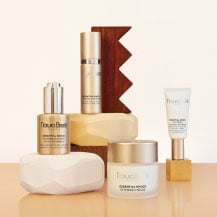
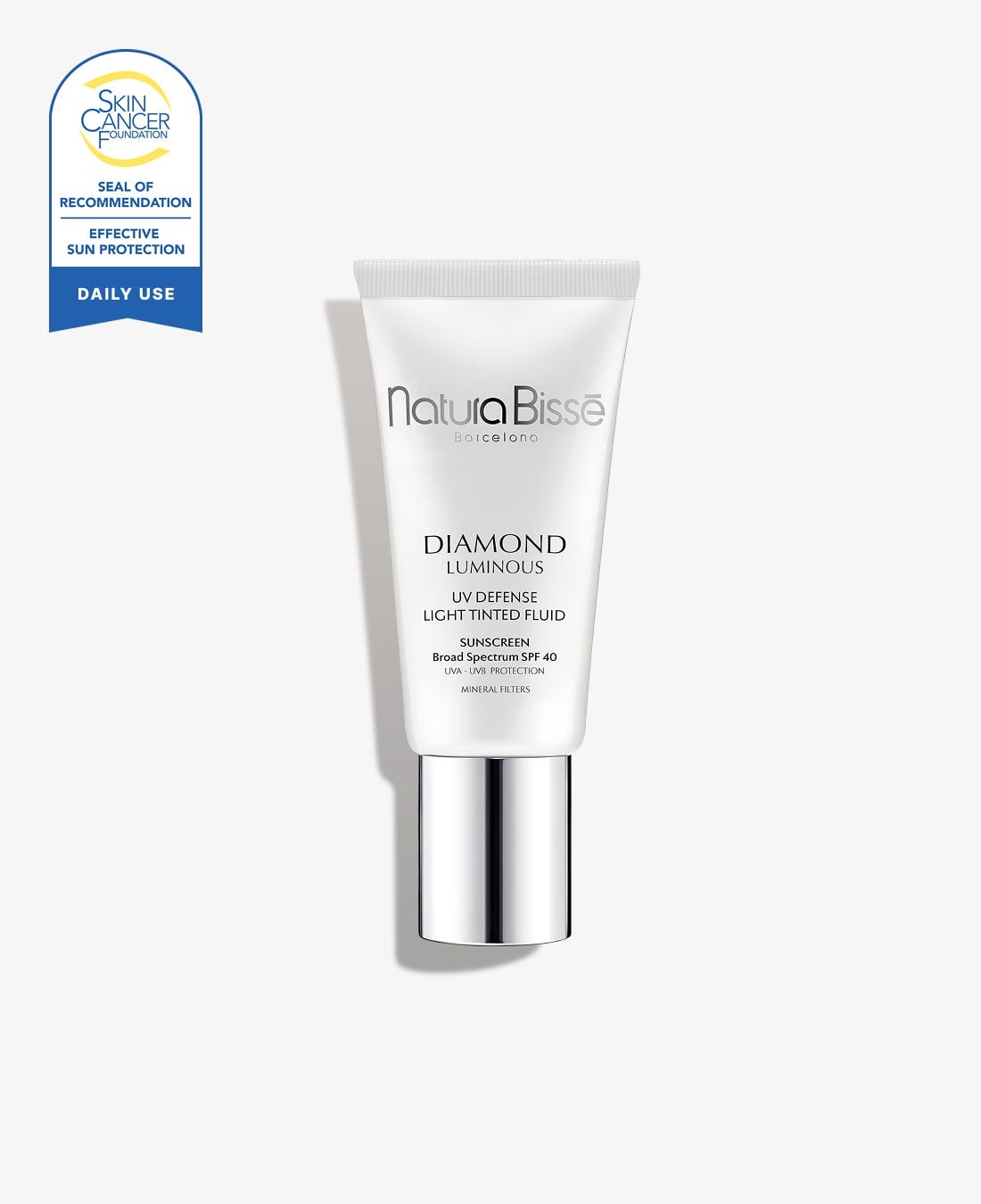
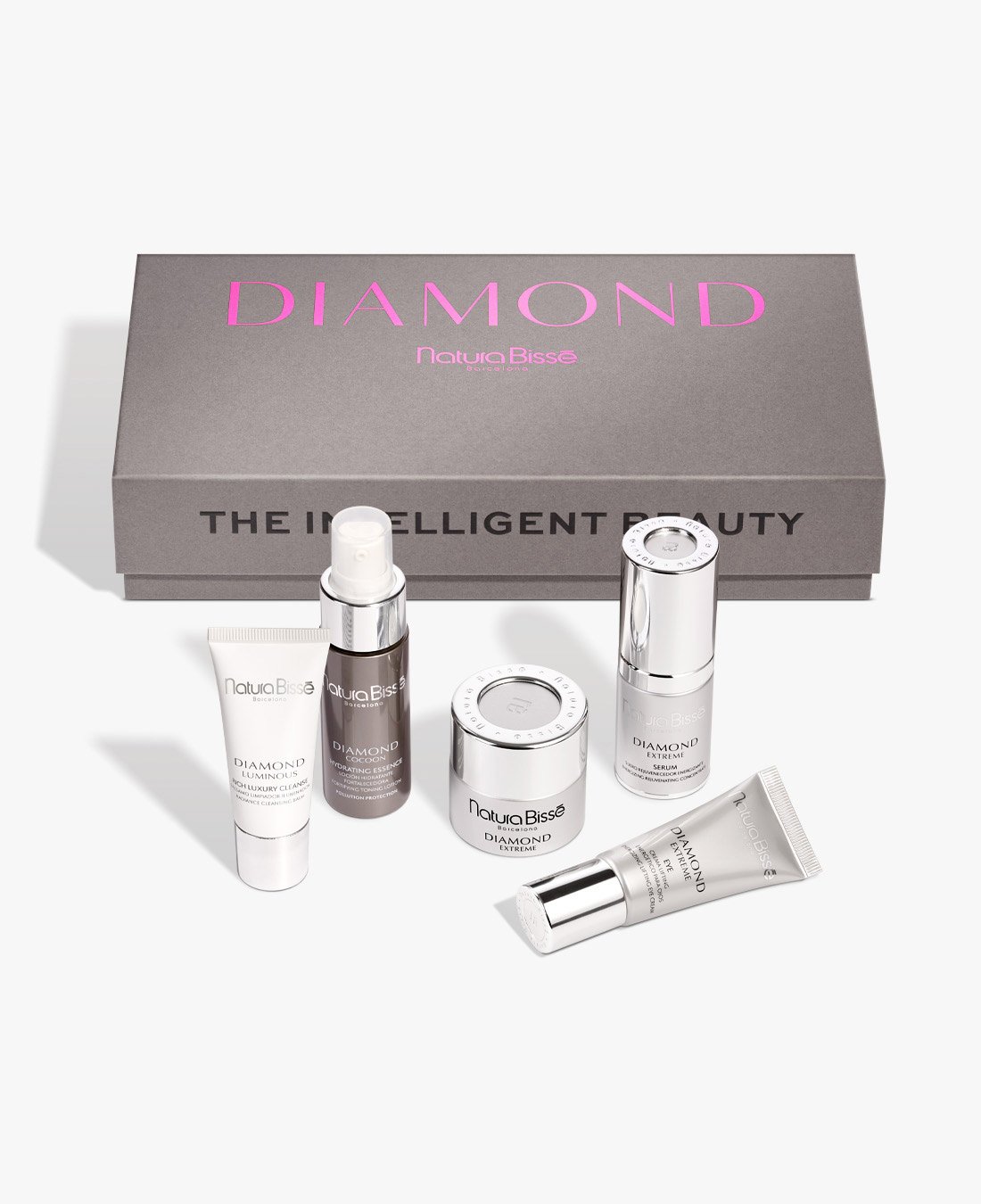
The perfect trio for hormonally changing skin
Sources
• Jiaming Hu: How do Hormones Regulate Sleep? In-depth Analysis of the Mechanism of Action and Clinical Strategies. Academic Journal of Science and Technology. 2025.
• Gava G, Orsili I, Alvisi S, Mancini I, Seracchioli R, Meriggiola MC. Cognition, Mood and Sleep in Menopausal Transition: The Role of Menopause Hormone Therapy. Medicina (Kaunas). 2019.
• Tamanna S, Ullah MI, Iftekhar R, Shamsuddin L. Sleep Disturbances in Menopause: Neuroendocrine Mechanisms and Clinical Implications. Physiologia. 2026.
• Lee J, Han Y, Cho HH, Kim MR. Sleep Disorders and Menopause. Journal of Menopausal Medicine. 2019.
• Haufe A, Baker FC, Leeners B. The role of ovarian hormones in the pathophysiology of perimenopausal sleep disturbances: A systematic review. Sleep Medicine Reviews. 2022.
• Brown AMC, Gervais NJ. Role of Ovarian Hormones in the Modulation of Sleep in Females Across the Adult Lifespan. Endocrinology. 2020.