
















SKINCARE ACIDS: TYPES, BENEFITS, AND HOW TO USE THEM
From glycolic to tranexamic acid, discover what makes each one unique and how to find the right one for your skin.
Skincare acids might sound intimidating, but they have plenty to offer. From boosting hydration to addressing dark spots and blemishes, each one brings something different to your routine. Here's what you need to know about their benefits, how they work, and which ones deserve a spot in your skincare lineup.
What exactly are skincare acids?
If glycolic acid exfoliates, hyaluronic acid hydrates, and tranexamic acid helps brighten, how can all three be acids when their benefits are so different?
The answer comes down to chemistry. The term “acid” refers to a molecule’s chemical properties, not necessarily what it does to your skin. Each acid works differently depending on its unique structure and the formula it’s part of.

Exfoliating acids: AHAs, BHAs, and PHAs
Some of the most familiar acids in skincare are exfoliating acids, such as glycolic (AHA) and salicylic acid (BHA). But what makes them different? While they all help remove dead skin cells, each works a little differently.
AHA (alpha hydroxy acids), such as glycolic and lactic acid:
Help exfoliate dead skin cells and improve texture, boost radiance, and minimize the appearance of fine lines.
BHA (beta hydroxy acids), such as salicylic acid:
Oil-soluble acids that help unclog pores and reduce the look of blemishes.
PHAs (polyhydroxy acids), including gluconolactone:
Offer a gentler approach to exfoliation while helping support skin hydration, making them an option for some sensitive skin types.
3 common myths about skincare acids
“Acids aren't suitable for sensitive skin”
FALSE. Not all acids work the same way, and some are gentler than others. The key is finding the right ingredients and formula for your skin’s needs.
“You can't combine acids with retinol or vitamin C”
FALSE. It all comes down to the formula and your skin's tolerance. While some products combine these ingredients effectively, layering multiple intensive products can increase the risk of irritation. Sometimes, less is more.
“You can't use acids in summer”
IT DEPENDS. Certain exfoliating acids can make your skin more sensitive to the sun, but it doesn't mean you have to skip them altogether. Follow the product’s usage instructions and apply broad-spectrum sunscreen with SPF 30 or higher every day.
How to incorporate acids into your skincare routine
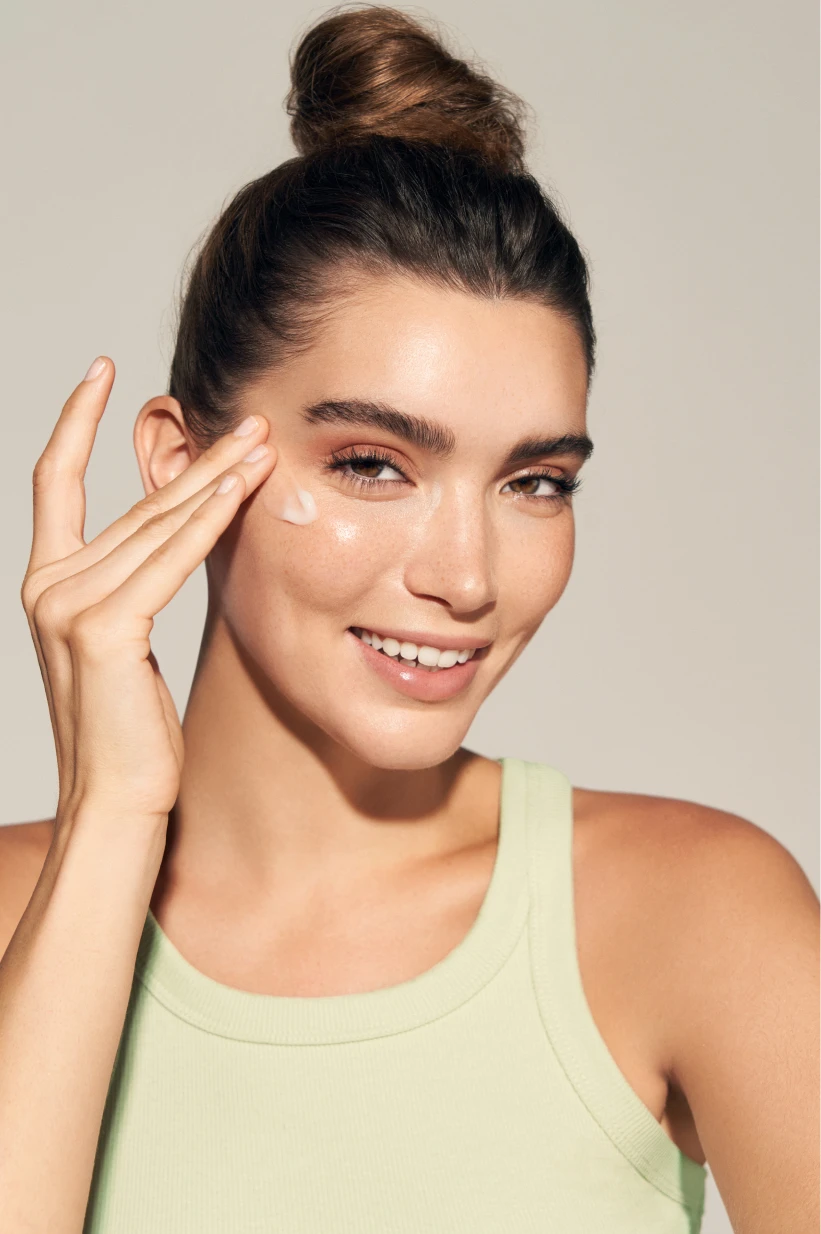
Every day or just a few times a week? Morning or night? It all depends on the acid and, most importantly, the formula. Some products are designed for daily use, while others offer more intensive exfoliation and are best used less frequently.
New to exfoliating acids? Here are a few tips to get started:
- Start slowly and follow each product's instructions.
- Avoid layering multiple exfoliants to prevent over-exfoliation.
- Pay attention to how your skin looks and feels.
- Apply broad-spectrum sunscreen every day.
7 skincare acids: Which one is right for your skin?
Frequently asked questions about skincare acids
Which acid is best for dark spots?
Tranexamic acid helps reduce the appearance of dark spots and promote a more even-looking skin tone. Glycolic acid and vitamin C can also help improve the appearance of uneven skin tone.
Which acid is best for pores and blackheads?
Salicylic acid (BHA), because its affinity for oil allows it to work on the pore.
Which acid is best for sensitive skin?
If you're looking for an exfoliating acid, PHAs, such as gluconolactone, are generally a gentler option for sensitive skin. Always introduce them gradually and pay attention to how your skin responds.
How often should you use exfoliating acids?
It depends on the formula: some are designed for daily use, while others are applied only a few times a week.
