











Product added
(0 items)
Your shopping bag
Your bag is empty
Explore and choose your skincare essentials.

Tailored for you











Your shopping bag
(0 items)



 Lifting without limits
Inhibit
Lifting without limits
Inhibit
 Bestselling age-defiers
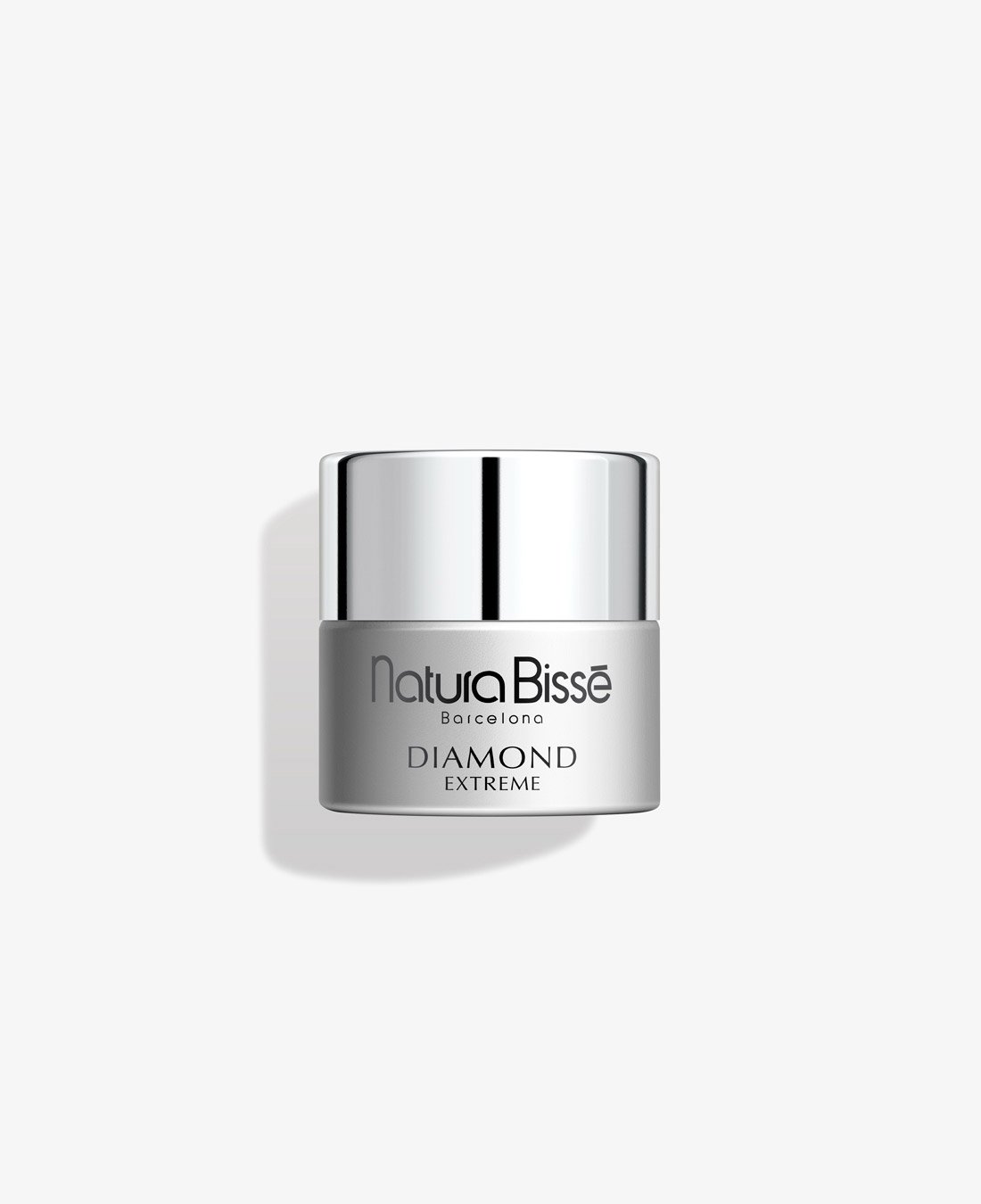
Diamond Extreme
Bestselling age-defiers
Diamond Extreme
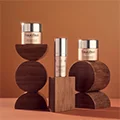 Daily skincare staples
Diamond Cocoon
Daily skincare staples
Diamond Cocoon
 Made for dark spots
Diamond Luminous
Made for dark spots
Diamond Luminous
 Next-level skin science
Diamond Life Infusion
Next-level skin science
Diamond Life Infusion
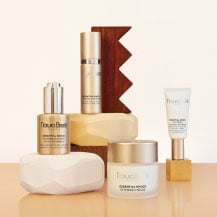 Menopause-focused care
Essential Shock
Menopause-focused care
Essential Shock
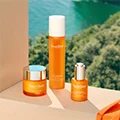 Powered by antioxidants
C+C Vitamin
Powered by antioxidants
C+C Vitamin
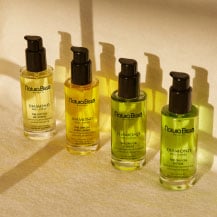 Body care meets wellness
Diamond Well-Living
Body care meets wellness
Diamond Well-Living
 Rescue for sensitive skin
NB Ceutical
Rescue for sensitive skin
NB Ceutical
 Entry-level essentials
Oxygen
Entry-level essentials
Oxygen
 Support for oily skin
Stabilizing
Support for oily skin
Stabilizing
Search here:
Connect with our Customer Service experts who are dedicated to answering your questions and helping you discover your spa-quality skincare regimen.

 Lifting without limits
Inhibit
Bestselling age-defiers
Diamond Extreme
Daily skincare staples
Diamond Cocoon
Made for dark spots
Diamond Luminous
Next-level skin science
Diamond Life Infusion
Menopause-focused care
Essential Shock
Powered by antioxidants
C+C Vitamin
Body care meets wellness
Diamond Well-Living
Rescue for sensitive skin
NB Ceutical
Entry-level essentials
Oxygen
Support for oily skin
Stabilizing
Lifting without limits
Inhibit
Bestselling age-defiers
Diamond Extreme
Daily skincare staples
Diamond Cocoon
Made for dark spots
Diamond Luminous
Next-level skin science
Diamond Life Infusion
Menopause-focused care
Essential Shock
Powered by antioxidants
C+C Vitamin
Body care meets wellness
Diamond Well-Living
Rescue for sensitive skin
NB Ceutical
Entry-level essentials
Oxygen
Support for oily skin
Stabilizing
Product added
(0 items)
Explore and choose your skincare essentials.
(0 items)
Product added
(0 items)
Explore and choose your skincare essentials.
(0 items)
The sun has its benefits, but sunscreen and sun care are still surrounded by misconceptions. Some resurface every summer, raising questions about SPF, UV protection, and what your skin really needs. To help you enjoy the sun more safely, we asked our experts to separate fact from fiction and explain what science says about five common myths.
Your skin doesn’t absorb vitamin D from the sun—it produces it when exposed to UVB rays. While sunscreen helps reduce the amount of UV radiation that reaches your skin, it doesn’t completely block vitamin D production.
PRO-TIP: If you’re concerned about your vitamin D levels, it’s best to speak with a healthcare professional rather than try to manage it with unprotected sun exposure.
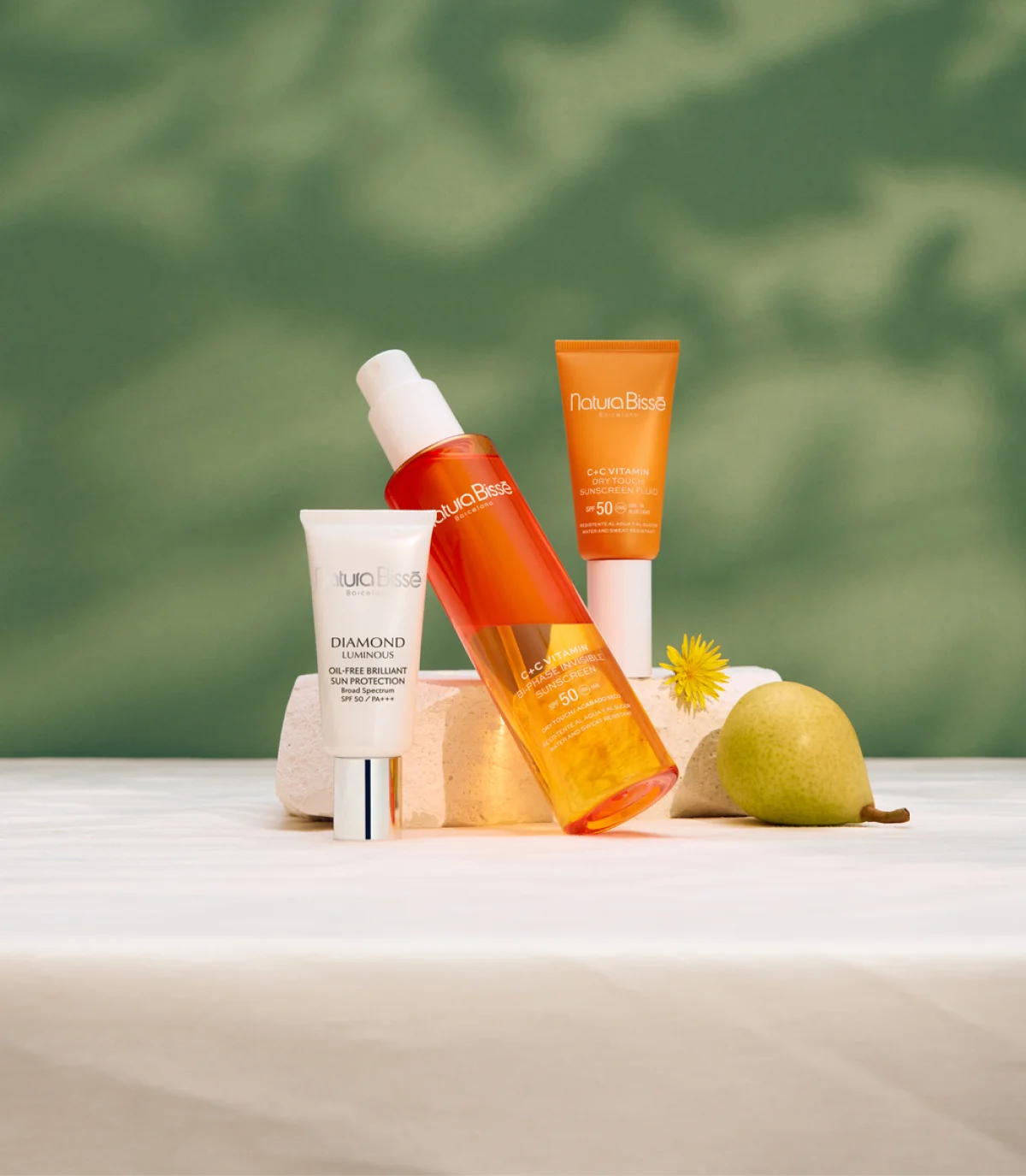
C+C Vitamin SPF 50 Bi-Phase


The sun can feel amazing. Unprotected exposure? Not so much. Gradually exposing your skin to the sun doesn’t create a natural barrier against UV rays. A tan is your skin’s defense response—not a shield.
PRO-TIP: Yes, your skin has memory—but unfortunately, it’s for accumulated sun damage. That’s why daily sunscreen matters from the very start.
Over time, heat and direct light can affect sunscreen formulas, making them less effective. That’s why sunscreen products include either an expiration date or a period-after-opening symbol on the packaging.
PRO-TIP: Even if that period hasn’t passed, don’t risk it if the smell, texture, or color has changed. Your skin doesn’t need cosmetic archaeology.
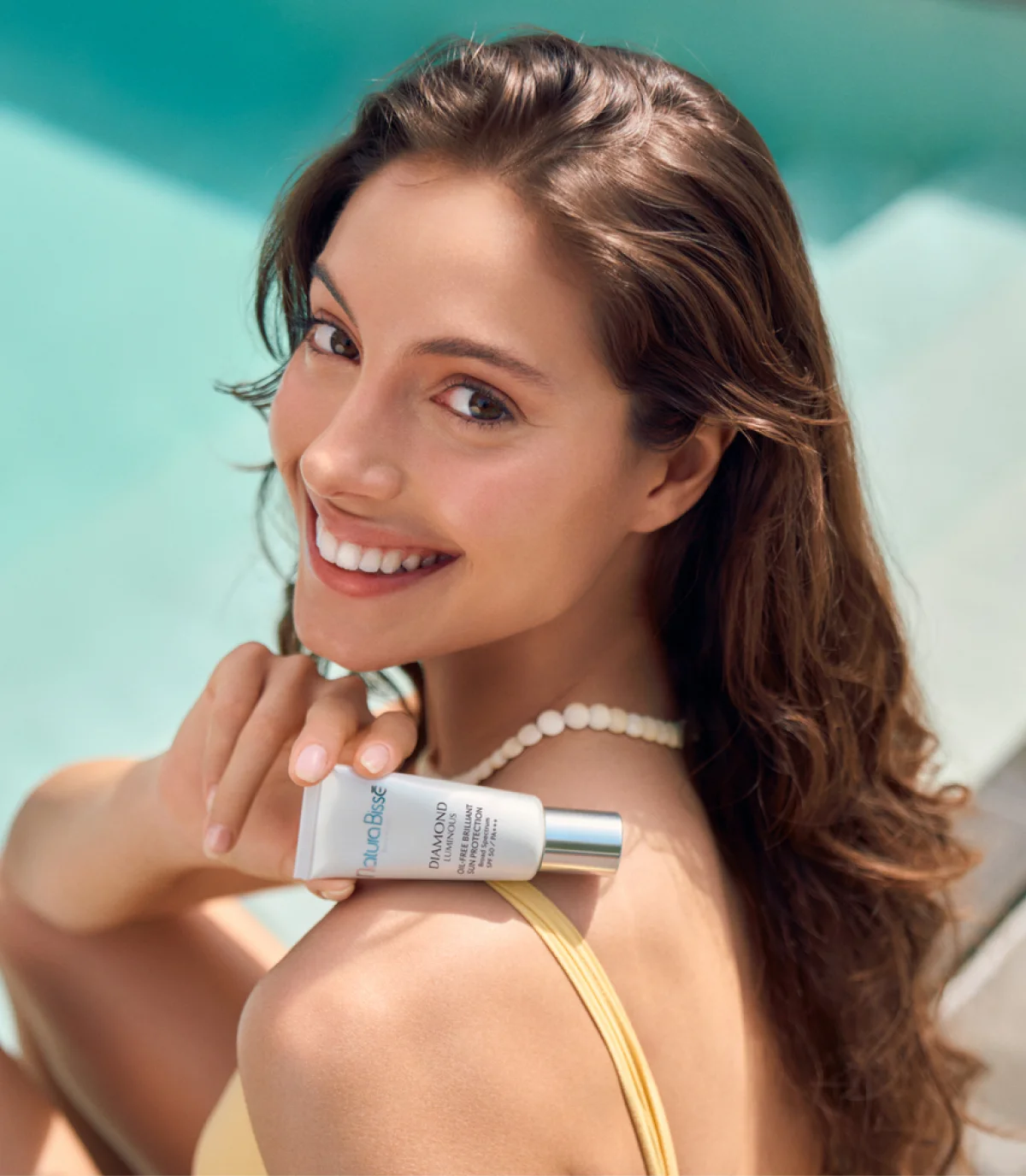
Diamond Luminous SPF 50 PA+++
DECODE YOUR SKINCARE
SPF 50 doesn’t mean 50 minutes of protection. Instead, SPF indicates how much longer your skin is protected from UVB rays compared to unprotected skin. The actual duration of protection depends on factors like your skin type, the time of day, how much sunscreen you apply, and whether you’re sweating, swimming, or toweling off.
PRO-TIP: Since there are so many variables, apply sunscreen 15–30 minutes before sun exposure and reapply every two hours, or after swimming, sweating, or toweling off.
C+C Vitamin SPF 50 Dry Touch
HOW TO CALCULATE SPF
Chemical filters have a bad reputation because some older UV filters weren’t suitable for certain skin types. But sun care has evolved. Today’s sunscreen filters meet strict safety regulations, are thoroughly tested, and are well tolerated by most skin types.
PRO-TIP: Chemical filters are often ideal if you’re looking for lightweight, invisible textures that feel comfortable for daily wear. If your skin is sensitive, reactive, or prone to redness, a mineral sunscreen may be a better fit. The best formula is always the one your skin tolerates well—and the one you’ll actually use.
LEARN MORE
The best way to enjoy the sun? Protect your skin like you mean it. Find a sunscreen you love, wear it every day, and make it part of your daily ritual.
PROTECT MY SKIN
It seems you are visiting us from . Please, go to: