

















HOT FLASHES IN MENOPAUSE
WHY THEY HAPPEN AND HOW TO COOL THINGS DOWN
Sometimes the thermometer says one thing while your body says another. Hot flashes are among the most common symptoms of menopause, often arriving without warning and interrupting meetings, plans or a good night’s sleep.
The good news? While we may not be able to prevent every sudden rise in temperature, we can help skin feel cooler, fresher, and more comfortable while replenishing essential hydration. First, let’s take a closer look at what is actually happening.
What exactly is a hot flash?
A hot flash is a sudden sensation of heat, usually felt across the face, neck, chest or upper body. It may be accompanied by sweating, flushed skin, a rapid heartbeat, chills or a general feeling of discomfort.
Why do hot flashes happen during menopause?
Although the exact biological mechanisms are still being studied, hot flashes are closely linked to the hormonal changes associated with menopause. Changing estrogen levels can affect the hypothalamus, the part of the brain that helps regulate body temperature, making it more sensitive to even small temperature shifts.
In response, the body increases blood flow near the surface of the skin and triggers sweating to release heat, even when the surrounding temperature feels comfortable.
How long does each hot flash last?
It varies from person to person, but most hot flashes last between one and five minutes. The feeling of warmth or discomfort may sometimes linger a little longer.
When do hot flashes occur: during the day, at night or both?
Hot flashes can occur during the menopause transition and after menopause, both during the day and at night. When they happen during sleep, they are known as night sweats and may interrupt your rest. And during menopause, a disrupted night can often show on your skin the next morning.
Does everyone experience them in the same way?
No. Their frequency, intensity and duration vary considerably. Some women experience hot flashes occasionally, while others may have them every day throughout the menopausal transition. Some barely notice them at all.
Do hot flashes get worse in summer?
Not necessarily. The relationship is not as straightforward as “more heat equals more hot flashes,” but warmer temperatures can make them feel more intense or uncomfortable. Add disrupted sleep to the mix, and the experience may feel even more taxing.
What can trigger hot flashes?
Each body is different, but certain factors may trigger hot flashes or make them feel more intense. Some of the most commonly reported include:
- ⋅ Warm or poorly ventilated environment
- ⋅ Alcohol
- ⋅ Caffeine
- ⋅ Hot drinks or foods
- ⋅ Spicy foods or seasonings
- ⋅ Stress or anxiety
- ⋅ Smoking
Poor sleep, tight clothing and nonbreathable fabrics may not directly trigger a hot flash, but they can make the experience feel more uncomfortable.
How many years can hot flashes continue?
There is no single answer. For some women, they last a few years; for others, they continue for longer. According to The Menopause Society, hot flashes and night sweats last an average of seven to ten years, although their frequency and intensity often changes over time.
If your symptoms are severe, regularly disrupt your sleep or interfere with your daily life, consider speaking with a healthcare professional experienced in menopause.
3 cooling skincare essentials
FOR WHEN THE HEAT HITS
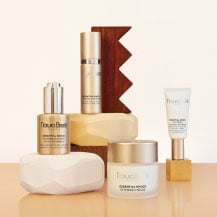
When a hot flash strikes or skin feels overheated, you don’t need a thousand-step routine. You need quick solutions, cooling textures, and refreshing formulas that restore comfort. Discover three essentials, plus one expert recommendation to help care for skin during menopause.
Targeted cooling relief
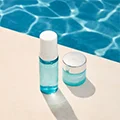
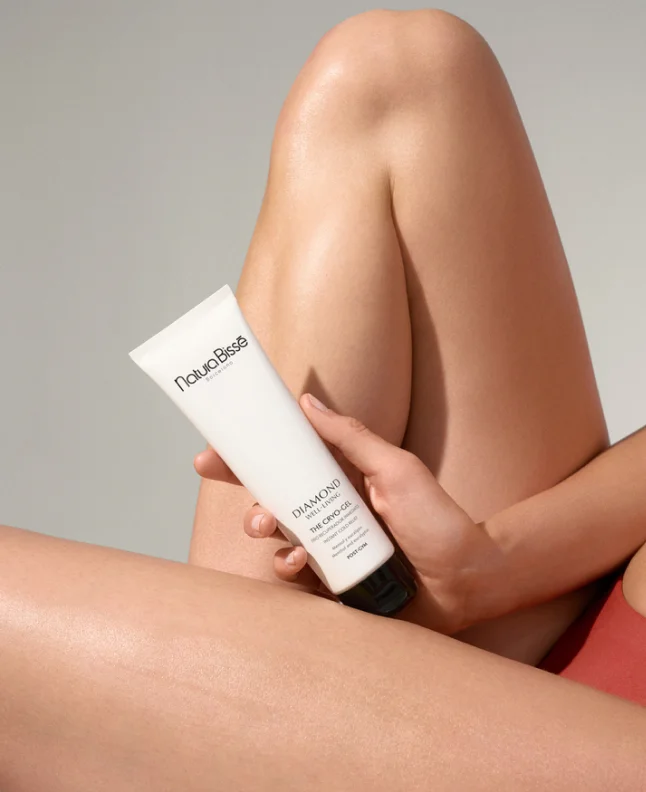
When you need an extra burst of freshness, keep Diamond Well-Living The Cryo-Gel at hand. This lightweight body gel delivers an immediate cooling sensation and is ideal for refreshing targeted areas.
PRO TIP: Gently massage it onto the back of the neck, shoulders, décolleté, arms or legs. When you feel a hot flash coming on, the back of the neck is an especially refreshing place to apply it.
A citrus refresh, anytime
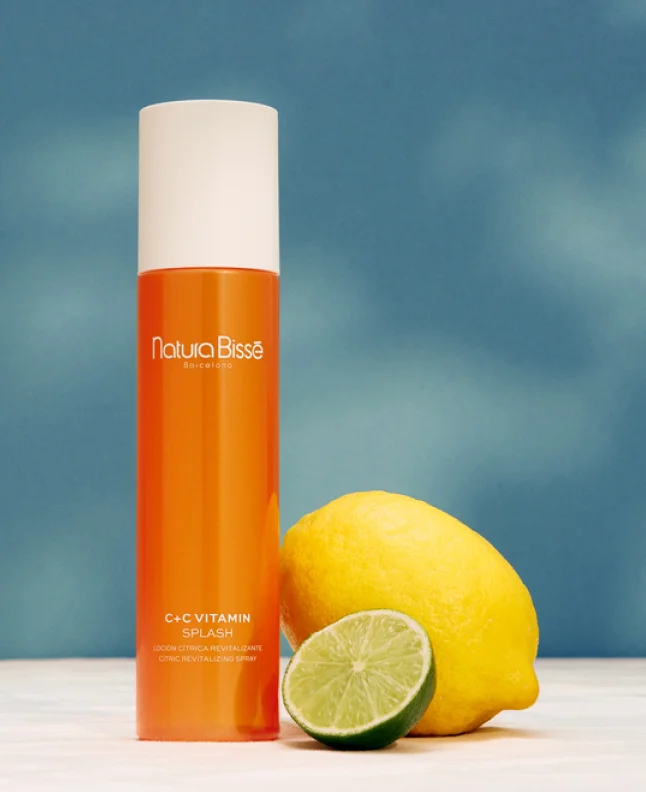
Some products deserve a permanent place in your handbag, and C+C Vitamin Splash is one of them. This facial and body mist refreshes, hydrates and revitalizes skin at any time of day.
PRO TIP: Mist it over the face, neck, décolleté and arms whenever your skin needs an instant refresh. Like opening a window, but with a vitamin boost.
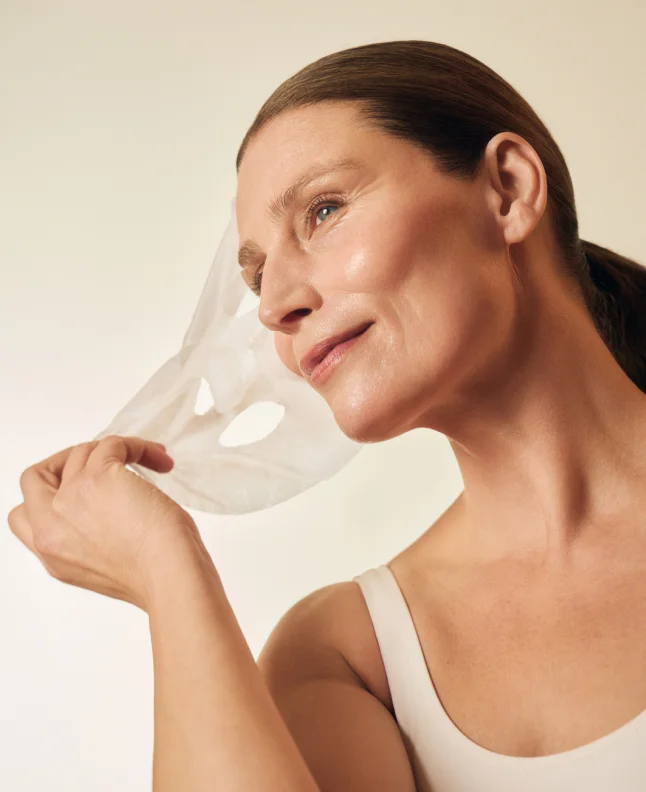
A chilled mask for a fresh-faced effect
When skin looks dull, overheated or visibly tired, Essential Shock Intense Instant-Lift Mask is your go-to reset. Enriched with collagen and hyaluronic acid, it delivers hydration and freshness, leaving skin looking plumper, more rested and luminous.
PRO TIP: Keep it in the refrigerator before use. It is already refreshing, but when chilled, it becomes a little more luxurious: like a cooling treat for your skin.
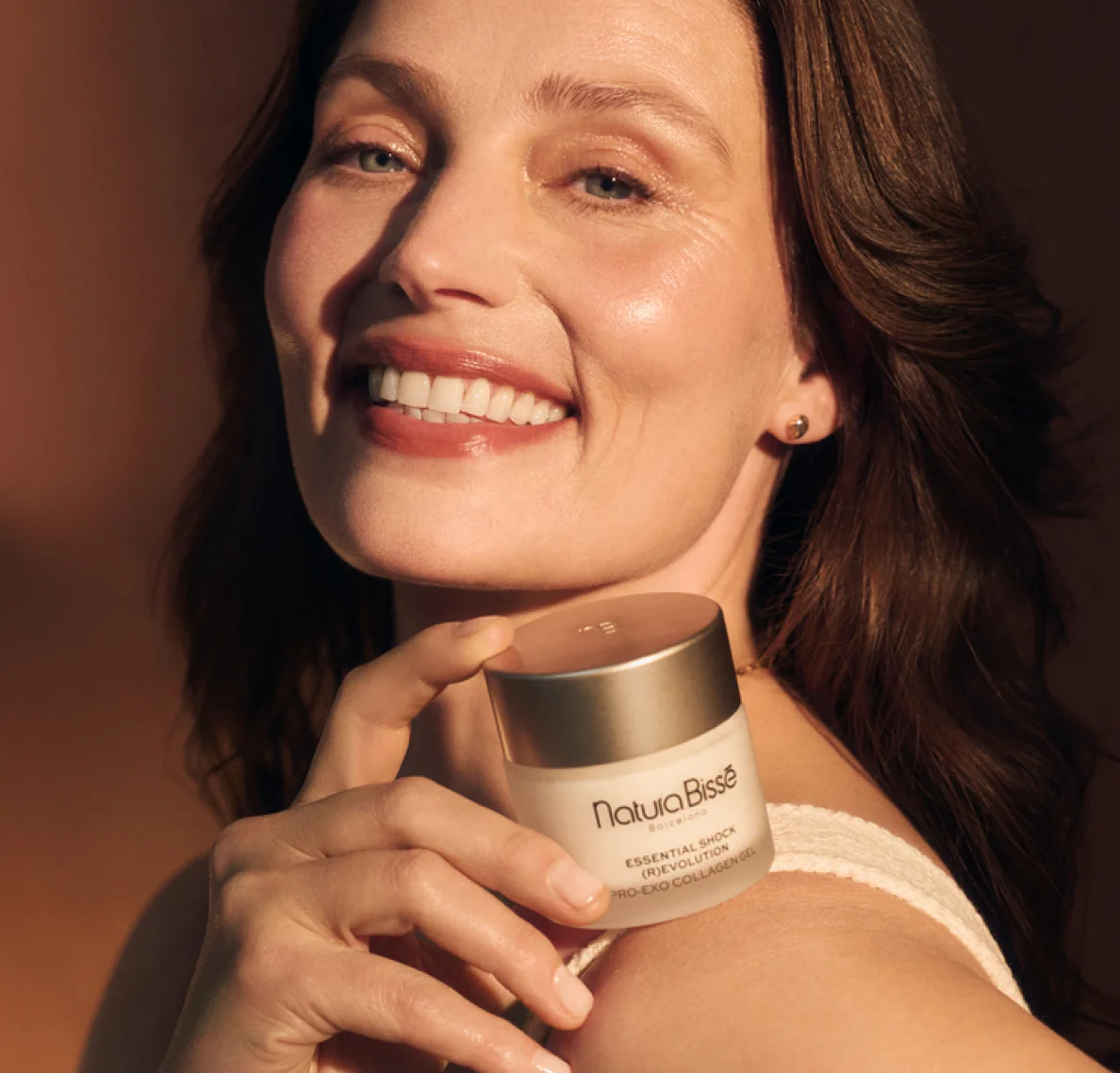
An extra boost for menopausal skin
During menopause, skin may experience changes in firmness, elasticity and hydration. Essential Shock (R)evolution Pro-Exo Collagen Gel pairs a refreshing gel texture with collagen and a pro-exosome ingredient to help support skin regeneration and address the visible changes associated with this stage. It is especially well suited to warmer weather or whenever your skin is craving lightweight hydration and a matte finish.
Want to know more about menopause and its effects? Our resident gynecologist answers some of the most frequently asked questions about this stage of life.
READ MORESources
⋅ Mahajan A, Patni R. “Hot Flashes-How Long?” J Midlife Health. 2018 Apr-Jun;9(2):53-54. doi: 10.4103/jmh.JMH_71_18. PMID: 29962802; PMCID: PMC6006803.
⋅ The JAMA Network Journals. "Hot flashes, night sweats last for seven or more years in many midlife women." ScienceDaily. ScienceDaily, 16 February 2015.
⋅ NHS. “Things you can do to help menopause and perimenopause symptoms.” NHS, last reviewed 19 May 2026.
⋅ NHS inform. “Treating menopause symptoms.” NHS inform.
⋅ Harvard Health Publishing. “Menopause-related hot flashes and night sweats can last for years.” Harvard Health Blog, Harvard Medical School, 23 February 2015.
