HOW TO CARE FOR YOUR SKIN AFTER AN AESTHETIC PROCEDURE
WHAT YOUR SKIN NEEDS TO RECOVER
Laser, IPL, microneedling, peels, radiofrequency, fillers… Each procedure works differently, but many have something in common: they stimulate a controlled response in the skin to encourage processes such as skin renewal or collagen production. The flip side? After a medical aesthetic procedure, your skin may feel more sensitive, reactive or vulnerable.
And that’s when a phase that’s just as important as the procedure itself begins: recovery. Simplifying your routine, supporting hydration and the skin barrier, protecting your skin from the sun and avoiding potent active ingredients until your professional gives you the go-ahead are some of the keys to caring for it during this time. But do you know exactly what your skin needs at this stage?
What happens to your skin after an aesthetic procedure?
The technique, depth and intensity of each treatment determine how your skin responds:
Why does your skin react this way after an aesthetic treatment?
What you see in the mirror—redness, tightness, dryness…—is only part of the story. Beneath the surface, other processes are taking place as part of your skin’s recovery:
- The inflammatory response is activated: Skin cells, inflammatory mediators and nerve endings all play a role. This interaction helps explain sensations such as warmth, itching or increased sensitivity.
- The skin barrier is temporarily disrupted: Certain procedures can temporarily disrupt the skin barrier. The result? More dryness, tightness and sensitivity.
- Skin becomes more vulnerable: While it recovers, skin may be more sensitive to certain external factors, particularly sun exposure, and may be less tolerant of some skincare products.
WHAT YOU SEE
- Redness
- Tightness
- Dryness
- Sensitivity
WHAT'S HAPPENING
- Inflammatory response
- Disrupted skin barrier
- More vulnerable skin
How long does it take for skin to recover after a medical aesthetic procedure?
There’s no universal countdown. Recovery time depends on the procedure, its intensity, the area treated and your individual skin characteristics. What’s more, just because redness has disappeared doesn’t necessarily mean your skin barrier has fully recovered or the inflammatory response has subsided. In general, discomfort should gradually subside over time. If you experience an unexpected reaction, your symptoms worsen or you have any concerns about your recovery, consult your specialist.
What is the best skincare routine after a medical aesthetic procedure?
While each treatment requires specific aftercare instructions from your professional, during recovery your skin generally needs less stimulation and more support.
- Keep it simple. This isn’t the time to try five new products or put your entire bathroom shelf to the test. Prioritize gentle, well-tolerated formulas.
- Support hydration and the skin barrier. When the barrier is temporarily compromised, skin may lose water more easily. Prioritize hydrating ingredients and skin-compatible lipids.
- Pay extra attention to the sun. After certain procedures, skin can be particularly vulnerable to sun exposure. Avoid direct sun exposure and follow your specialist’s recommendations regarding sun protection and when to begin applying topical products.
- Give it time. Just because your skin looks better doesn’t mean it has fully returned to normal. Avoid going back to an intensive skincare routine too quickly.
When can I use retinoids, acids or exfoliants again?
Retinoids, acids, and exfoliants all have their moment. And that moment may not be immediately after a procedure. When to stop and reintroduce them will depend on the treatment and how your skin is recovering, so always follow the advice of your doctor or specialist. In the meantime, keep one simple rule in mind: focus less on transformation and more on recovery. And yes, the latest trending active can wait.
Expert care for sensitized skin:
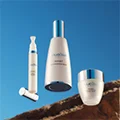
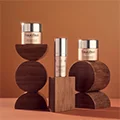
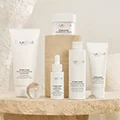
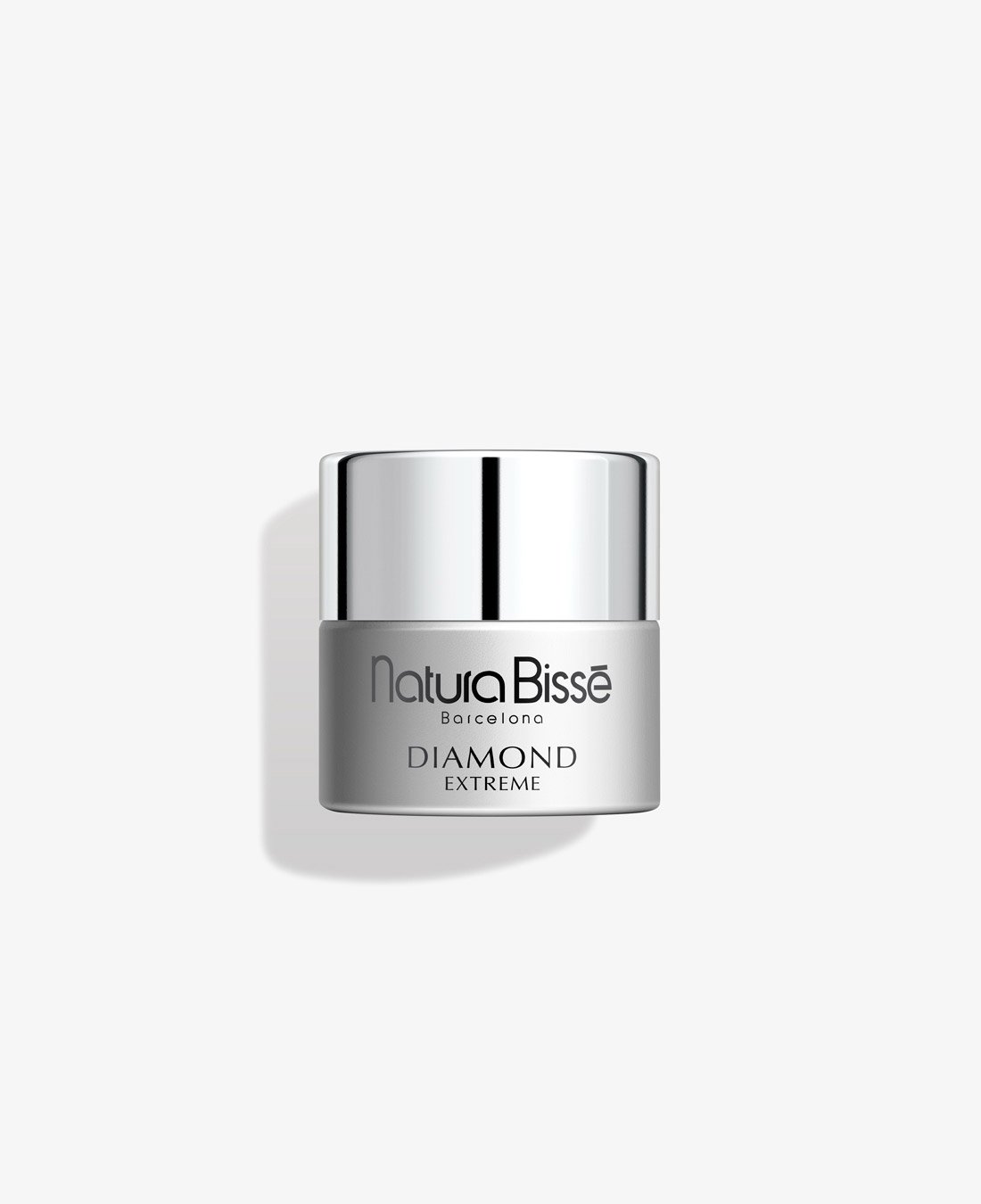
Pro-Repair by Natura Bissé
To support skin recovery, Natura Bissé developed Pro-Repair, an advanced recovery system designed for skin sensitized by aesthetic procedures. This comprehensive approach addresses three key needs during this period:
SOOTHING ACTION
Helps reduce the noticeable effects of discomfort, such as redness, itching, and tightness.
BARRIER RESTORATION
Supports the skin barrier function, by helping skin regain hydration, comfort, and suppleness.
SKIN RESILIENCE
Helps support skin resilience against external aggressors while it recovers.
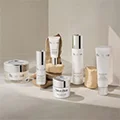
Our complete post-procedure skincare routine
After any aesthetic procedure, always follow the advice of your doctor or specialist. The care required and the appropriate time to apply or reintroduce each skincare product may vary depending on the procedure performed and your individual skin characteristics.