









Product added
(0 items)
Your shopping bag
Your bag is empty
Explore and choose your skincare essentials.

Tailored for you










Your shopping bag
(0 items)



 Lifting without limits
Inhibit
Lifting without limits
Inhibit
 Bestselling age-defiers
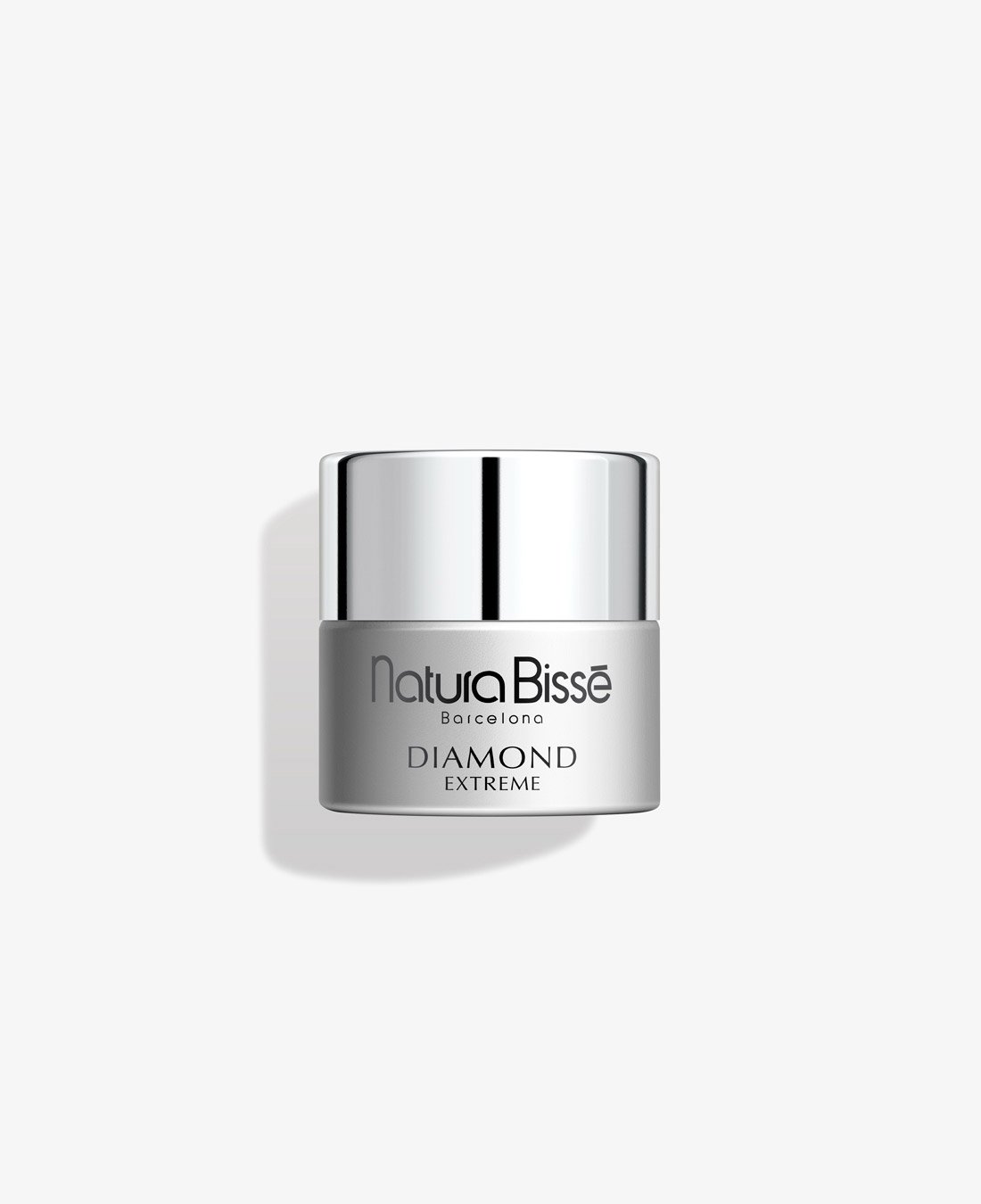
Diamond Extreme
Bestselling age-defiers
Diamond Extreme
 Daily skincare staples
Diamond Cocoon
Daily skincare staples
Diamond Cocoon
 Made for dark spots
Diamond Luminous
Made for dark spots
Diamond Luminous
 Next-level skin science
Diamond Life Infusion
Next-level skin science
Diamond Life Infusion
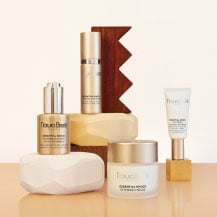 Menopause-focused care
Essential Shock
Menopause-focused care
Essential Shock
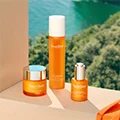 Powered by antioxidants
C+C Vitamin
Powered by antioxidants
C+C Vitamin
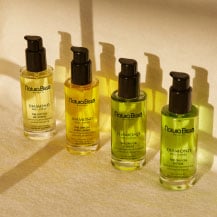 Body care meets wellness
Diamond Well-Living
Body care meets wellness
Diamond Well-Living
 Rescue for sensitive skin
NB Ceutical
Rescue for sensitive skin
NB Ceutical
 Entry-level essentials
Oxygen
Entry-level essentials
Oxygen
 Support for oily skin
Stabilizing
Support for oily skin
Stabilizing
Search here:
Connect with our Customer Service experts who are dedicated to answering your questions and helping you discover your spa-quality skincare regimen.

 Lifting without limits
Inhibit
Bestselling age-defiers
Diamond Extreme
Daily skincare staples
Diamond Cocoon
Made for dark spots
Diamond Luminous
Next-level skin science
Diamond Life Infusion
Menopause-focused care
Essential Shock
Powered by antioxidants
C+C Vitamin
Body care meets wellness
Diamond Well-Living
Rescue for sensitive skin
NB Ceutical
Entry-level essentials
Oxygen
Support for oily skin
Stabilizing
Lifting without limits
Inhibit
Bestselling age-defiers
Diamond Extreme
Daily skincare staples
Diamond Cocoon
Made for dark spots
Diamond Luminous
Next-level skin science
Diamond Life Infusion
Menopause-focused care
Essential Shock
Powered by antioxidants
C+C Vitamin
Body care meets wellness
Diamond Well-Living
Rescue for sensitive skin
NB Ceutical
Entry-level essentials
Oxygen
Support for oily skin
Stabilizing
Product added
(0 items)
Explore and choose your skincare essentials.
(0 items)
Product added
(0 items)
Explore and choose your skincare essentials.
(0 items)
Are you 40+ and finding that things get to you more than they used to? You're not alone. During perimenopause and menopause, many women notice a shift in how they respond to stress. And because the brain and skin are closely connected, what happens on the inside can show up on the outside. Here's what's behind it, plus what you can do to feel (and look) better.

It's usually a mix of a few things:
When estrogen and progesterone levels fluctuate, your mood and stress response can be affected. Estrogen interacts with serotonin and other neurotransmitters, while progesterone can have a calming effect. During perimenopause, both rise and fall unpredictably, which can impact how you respond to stress. It's not that you've suddenly become more sensitive for no reason: your body is adjusting to these hormonal shifts.


We talk a lot about stress, but what exactly is it? In simple terms, it's your body's response to anything it perceives as a threat or additional demand: an exam, a conflict, a bad night's sleep. It's not just "in your head." Stress triggers a physiological response that can affect your entire system.
That's where cortisol comes in. When your brain detects an alarm signal, your body releases cortisol. It has a bad reputation, but in the right amount, it's essential: it helps make energy available and prepares your body to respond. The problem isn't cortisol itself, but what happens when that alarm stays switched on for too long. If stress becomes chronic, cortisol can remain elevated, affecting other systems in the body. Including your skin.
Hormonal changes, stress, and poor sleep can temporarily affect concentration and memory during the menopause transition. Sound familiar? Forgetting why you walked into a room, losing your train of thought, or having a word on the tip of your tongue can all be common during this stage. And while frustrating, these changes are often temporary.
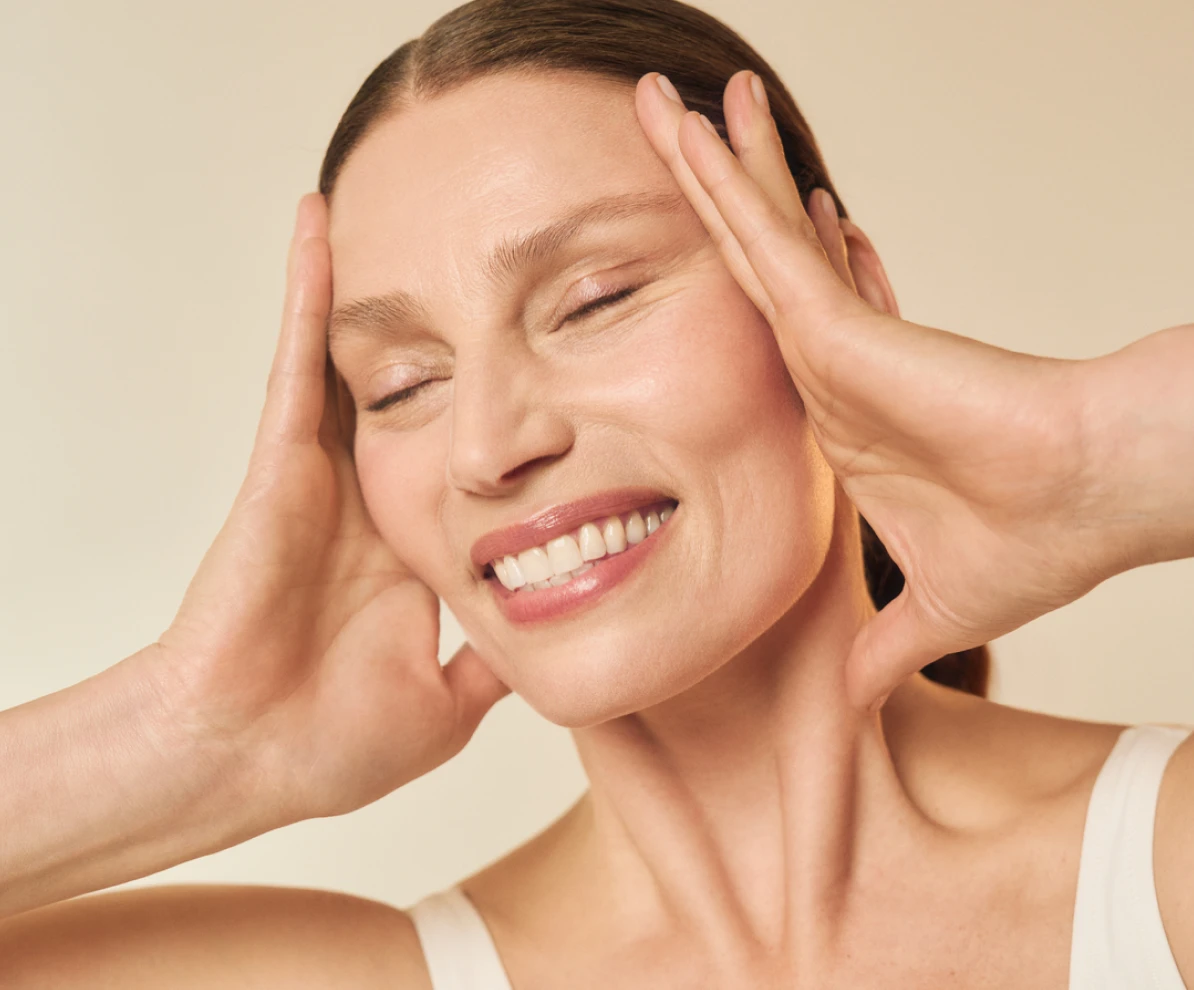
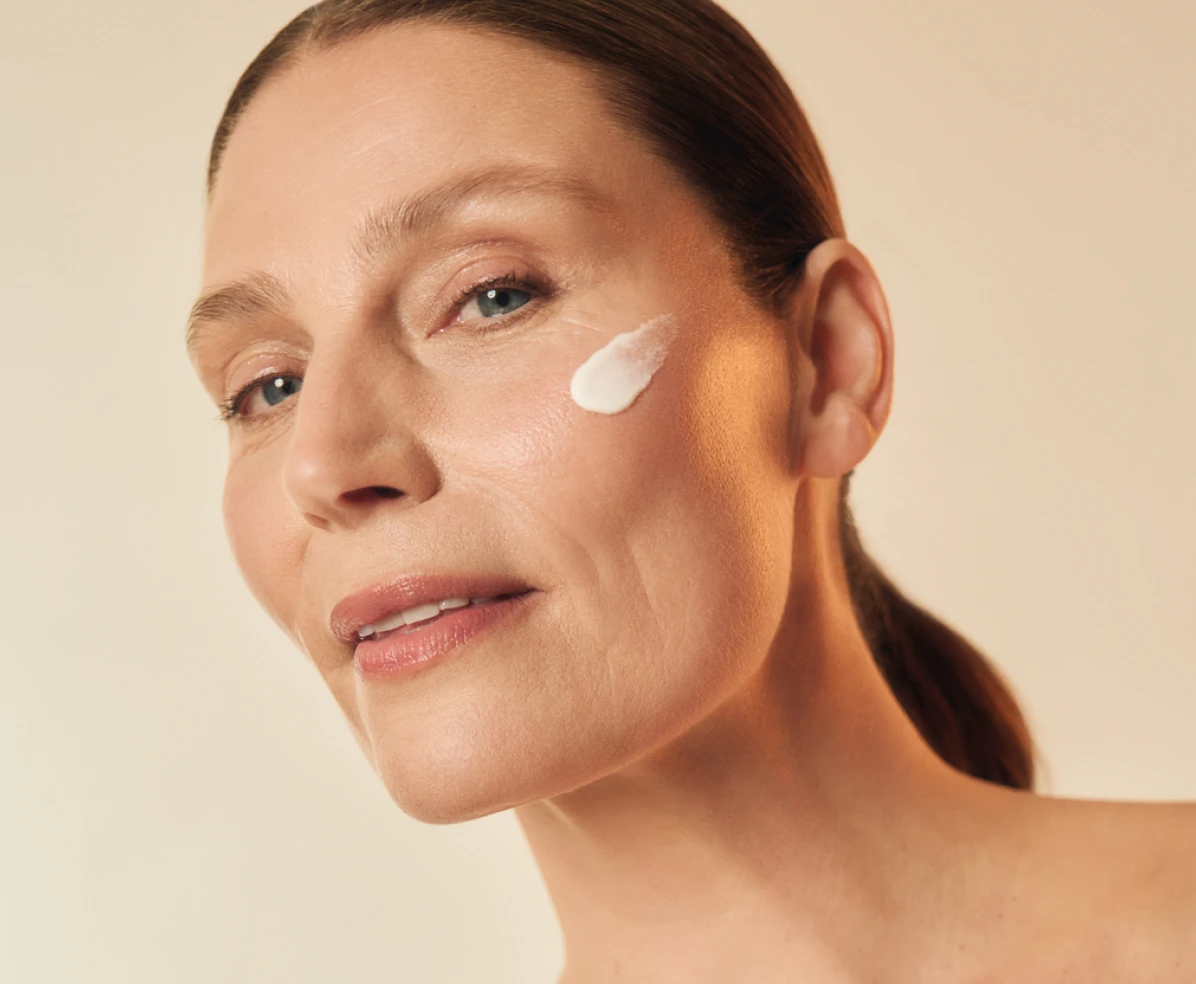
Your skin doesn't exist in isolation from the rest of your body, and when cortisol remains elevated for too long, skin function can be affected: the skin barrier may take longer to recover, lose hydration more easily, and become more reactive. The result:
On top of that, the drop in estrogen that comes with menopause can contribute to the loss of collagen, firmness, and elasticity. It's a double whammy: hormonal changes on one side, sustained stress on the other.
Self-care doesn't need to become one more thing on your to-do list. Small, consistent habits can make a real difference:
If stress, anxiety, or low mood interferes with your daily life, consider talking to a professional.
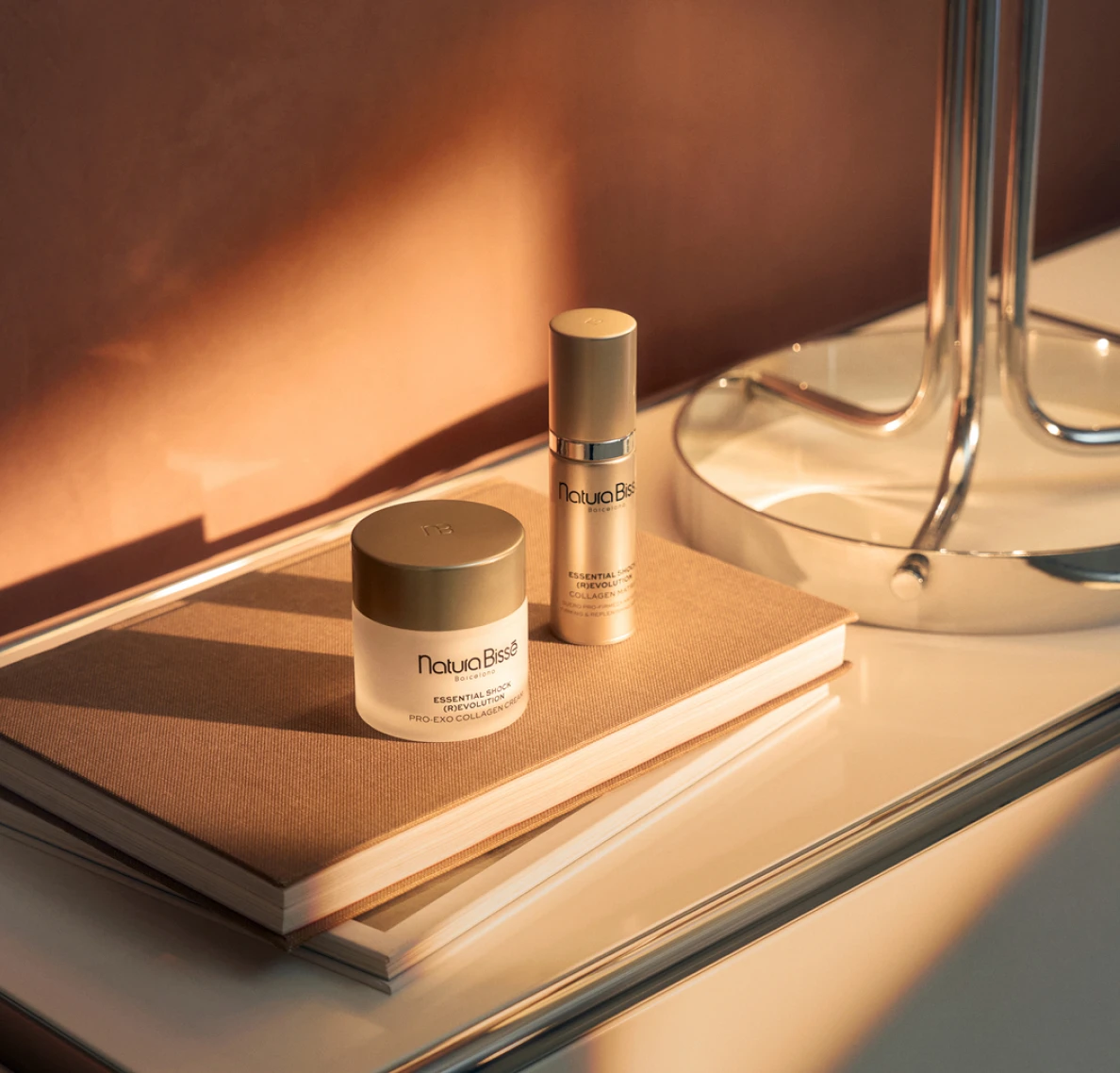
To support your skin through the changes of menopause, we created Essential Shock (R)Evolution, a collagen boost designed to help improve firmness, hydration, and suppleness while smoothing the appearance of wrinkles.
FIND OUT MORESources
⋅ Gordon JL, Girdler SS, Meltzer-Brody SE, et al. Ovarian hormone fluctuation, neurosteroids, and HPA axis dysregulation in perimenopausal depression: a novel heuristic model. American Journal of Psychiatry. 2015;172(3):227–236. PubMed
⋅ Altemus M, Rao B, Dhabhar FS, Ding W, Granstein RD. Stress-induced changes in skin barrier function in healthy women. Journal of Investigative Dermatology. 2001;117(2):309–317. PubMed
⋅ Chen Y, Lyga J. Brain-skin connection: stress, inflammation and skin aging. Inflammation & Allergy—Drug Targets. 2014;13(3):177–190. PubMed
⋅ Faleschini S, Tiemeier H, Rifas-Shiman SL, et al. Longitudinal associations of psychosocial stressors with menopausal symptoms and well-being among women in midlife. Menopause. 2022;29(11):1247–1253. PubMed
⋅ Zouboulis CC, Blume-Peytavi U, Kosmadaki M, et al. Skin, hair and beyond: the impact of menopause. Climacteric. 2022;25(5):434–442. PubMed

It seems you are visiting us from . Please, go to: